


04 Nov 2026 Annual Course 2027: Bringing Best Evidence to Clinicians
Jump to: Registration | Program | Keynote | Speakers | Cost | Accreditation

REGISTRATION NOW OPEN
The TI Annual Course will be offered virtually on Friday, January 29 and Saturday, January 30, 2027. Tackling common and new drug therapy issues from an evidence-based perspective, the scope of information will be broad, practical, and often controversial, thus appealing to professionals in family practice, internal medicine, and pharmacy. This, like all TI events, does not receive any sponsorship from the device or pharmaceutical industry. The TI Annual Course is accredited and participants can claim up to 6.5 Mainpro+ Certified Activity credits. Discussions will cover recent research on hormone testing in menopausal women, diabetes, statins, RSV vaccines, shared decision-making, ADHD diagnosis and medication use patterns, and optimal prescribing.
REGISTRATION
Registration is now open. Please complete and submit the registration form to secure your spot.
To take advantage of the “EARLY BIRD” rates [$99.99 (full course – both days) / $59.99 (single day)], please submit your registration (and payment) before November 30, 2026.
A limited number of complimentary (free) registrations are available for trainees (medical students and medical residents) and other low-income individuals. Use the registration form to apply for complimentary (free) registration. Your application will be reviewed and you will be notified by email if your application was approved or rejected.
Paid registration includes: Access to the live virtual event, all available resources & materials, priority access to all the event recordings, CME certificate. Registration in this category is capped to a maximum of 300 participants.
Complimentary (free) registration includes: Access to the live virtual event only plus delayed access to event recordings. Please note that the free registration option does not include access to supplementary resources and materials, and no CME certificate will be provided. The number of complimentary (free) registrations is limited.
Keynote Presentation
The Keynote presentation will be delivered on January 30 by internationally renowned experts, Dr. Tom Jefferson and Dr. Carl Heneghan.
In this presentation, Drs. Jefferson and Heneghan propose that a positive laboratory test alone should not automatically be considered an active case of influenza. They suggest that an active influenza case should incorporate four key elements: compatible clinical symptoms, appropriate timing of illness and testing, influenza-specific laboratory confirmation, and consideration of viral burden/activity where available. Their goal is to create a more consistent and clinically meaningful definition for surveillance, reporting, and decision-making.
Learning Objectives:
-
Review the proposed evidence-based definition of active influenza
- Discuss the limitations of relying solely on positive laboratory tests to identify active influenza cases
- Apply the proposed framework to support clinical and public health decision-making
CONFERENCE PROGRAM
All times are Pacific Time (UTC -7). If you are in a different time zone, click on the time to convert it to your local time.
Friday, January 29
| Time | Presentation title and description | Speaker |
|---|---|---|
| 12:20-12:30 | Welcome & Opening Remarks | Dr. Aaron M Tejani |
| 12:30-13:30 |
Breastfeeding and medications – Practical approaches to drug safety in lactationBreastfeeding patients frequently require medications for acute and chronic medical conditions, yet clinicians often encounter limited and conflicting guidance regarding drug use during lactation. This session will provide a practical, evidence-informed framework for evaluating medication safety in breastfeeding. Participants will review the pharmacologic principles that influence drug transfer into breast milk, learn how to interpret available lactation data, and become familiar with key information resources. Learning Objectives:
|
Dr. Jonathan Zipursky |
| 13:30-14:10 |
Quick hits on diabetes in 2027Hyperglycemia continues to be a major public health challenge, with evolving approaches to diagnosis, monitoring, and treatment. While metformin remains the standard first-line glucose-lowering therapy for most people with type 2 diabetes, emerging evidence and guideline recommendations increasingly support the use of newer agents in patients with specific cardiovascular, renal, or metabolic comorbidities. This session will review the evidence supporting metformin and examine its role in the context of newer treatment options.
The session will also explore the growing role of continuous glucose monitoring (CGM) in the management of type 2 diabetes. Current evidence regarding the benefits, limitations, and appropriate use of CGM will be reviewed, with particular attention to patient populations most likely to benefit. Finally, the presentation will address the management of prediabetes. As the prevalence of prediabetes continues to rise in Canada, uncertainty remains regarding optimal treatment strategies. Participants will review the current evidence and discuss the role of lifestyle interventions and other management approaches in preventing progression to type 2 diabetes.
Learning Objectives: By the end of this session, participants will be able to:
|
Dr. Anshula Ambasta & Dr. Guillaume Grenet & Dr. Wade Thompson |
| 14:10-14:25 | BREAK | |
| 14:25-14:55 |
How much benefit is enough? What patients and physicians require before saying yes to a statinHow much benefit does a statin need to provide before it is worth taking? We asked this question to both patients and physicians in two recent surveys. More than 1,200 adults in the United States and Japan, and more than 400 physicians in Japan, were given the same cardiovascular risk scenarios and asked how much a statin would need to lower that risk before they would take it or recommend it, accounting for its harms, costs, and inconvenience. Patients generally wanted a much larger benefit than statins provide. Physicians were willing to recommend a statin for a smaller benefit, although primary care physicians required more benefit than cardiologists. Patients who felt personally at risk, or who had previously received professional advice about their blood cholesterol, were more willing to take statins. This session will bring these findings into the consultation room. We will discuss why routine prescribing may not fit every patient, how to explain the expected benefit before treatment rather than after, and how to frame that benefit in the context of the patient’s own risk and what a cardiovascular event could mean for them. Learning objectives:
Not Just Effective, But Worth Taking: Patient Thresholds and Shared Decision-Making in OAB PharmacotherapyBeta-3 agonists are often viewed by clinicians as attractive options for overactive bladder because they are guideline-supported, generally well tolerated, and can improve bothersome urinary symptoms. Yet patients may judge the same treatment differently, weighing expected symptom relief against cost, adverse effects, daily medication use, follow-up visits, and their own coping strategies. This presentation will discuss a recent survey of medication-naïve adults in Japan with symptoms suggestive of overactive bladder and symptom-related distress. Using a benefit-harm trade-off approach, we estimated how much additional improvement patients would need before beta-3 agonist therapy would feel worth taking compared with lifestyle modification. Many participants were unwilling to accept medication even under a highly favorable treatment scenario, and among those willing to consider medication, treatment thresholds varied widely. The session will translate these findings into practical clinical conversations. I will discuss how clinicians can elicit patient preferences, communicate expected benefits and burdens, respond to reasonable treatment refusal or discontinuation, and use trust-building and shared decision-making to better understand what makes OAB pharmacotherapy worthwhile for an individual patient. Learning Objectives: By the end of this session, participants will be able to:
|
Dr. Yan Luo & Dr. Kenji Omae |
| 14:55-15:45 |
Antidepressant use in young people with major depressive disorder: what an evolving literature demonstratesMental health challenges in children and adolescents are a growing concern, and there has been increased prescribing of antidepressants in this context. This has coincided with an increase in self-harm events involving antidepressants in British Columbia and other Canadian jurisdictions. While recent meta-analyses have demonstrated a lack of meaningful benefit and potential for serious harms, a further concern is that some past RCTs and reviews have misleadingly implied that certain antidepressants, particularly selective serotonin reuptake inhibitors, are safe and effective in this population. Recent reviews of antidepressants for depression in children and adolescents have found a lack of meaningful benefit of antidepressants when compared to placebo, and an increased risk of suicide-related outcomes and other serious adverse events. This presentation will review historical and recent data while emphasizing provide practical tips for safer care models in this context. Learning Objectives:
|
Dr. Evan Wood |
Saturday, January 30
| Time | Presentation title and description | Speaker |
|---|---|---|
| 08:30-09:30 |
Proposed working definition of an active case of influenza (implications for clinicians and policymakers)In this presentation, Tom Jefferson and Carl Heneghan propose that a positive laboratory test alone should not automatically be considered an active case of influenza. They suggest that an active influenza case should incorporate four key elements: compatible clinical symptoms, appropriate timing of illness and testing, influenza-specific laboratory confirmation, and consideration of viral burden/activity where available. Their goal is to create a more consistent and clinically meaningful definition for surveillance, reporting, and decision-making.
Learning Objectives:
|
Dr. Tom Jefferson & |
| 09:30-10:00 |
Evidence-basis of how to say ‘no’Learning Objectives:
|
Dr. Jessica Otte |
| 10:00-10:15 | BREAK | |
| 10:15-10:45 |
More Than a Recommendation: Exploring Choosing Wisely through multiple lensesThis presentation will provide an overview of the current work of Choosing Wisely Canada and the evolving role of the Choosing Wisely BC hub. Participants will learn about current campaigns and implementation activities aimed at reducing unnecessary tests and treatments and improving the quality of care. The session will explore common challenges and successes in putting Choosing Wisely recommendations into practice, including approaches that support clinician engagement and patient conversations. Participants will discuss factors at both the system and individual level that can influence decisions about tests and treatments. The presentation will also introduce Bolman and Deal’s Four-Frame Model as a practical tool for understanding and addressing implementation challenges. Through examples from Choosing Wisely initiatives, participants will consider how different perspectives, values, and personal experiences shape the way messages are communicated and received. The session will highlight how aligning communication approaches with these perspectives can support more effective conversations and campaigns about appropriate care and reducing unnecessary treatments. Learning Objectives: By the end of this session, participants will be able to:
|
Dr. Adele Harrison |
| 10:45-11:15 |
ADHD diagnosis and medication use patterns in British Columbia, CanadaLearning Objectives:
|
Dr. Michelle Cui |
| 11:15-12:15 |
Practical Tips for Navigating Perimenopause and MenopauseLearning objectives:
|
Dr. Jen Gunter |
| 12:15-12:25 | Course Wrap-up | Dr. Aaron M Tejani |
Invited Speakers
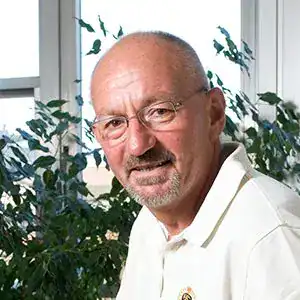 Dr. Tom Jefferson, MD, DRCOG, MRCGP, MFPHM, FFPHM
Dr. Tom Jefferson is a Medically trained epidemiologist with extensive experience of HTA and handling huge datasets, including regulatory dossiers, clinical data synthesis, systematic reviews, health economics studies, meta-analysis within medical devices and pharmaceutical companies. Have carried out health economics modelling and scholarly work in the past and have a firm grip of regulatory processes in EU. Member of Cochrane and EUNeHTA. Tom is a Senior Associate Tutor at the University of Oxford, a researcher at the Nordic Cochrane Centre and former scientific coordinator for the production of HTA reports on non-pharmaceuticals for Agenas, the Italian National Agency for Regional Healthcare.
 Dr. Carl Heneghan, BM, BCH, MA, MRCGP, DPhil
Carl Heneghan is a clinical epidemiologist with expertise in evidence-based medicine, research methods, and evidence synthesis. With a wealth of experience, Carl Heneghan has authored over 450 peer-reviewed publications and published over 110 systematic reviews. His work includes investigating evidence for the approval of drugs and devices, assessing health claims and harms, and researching common presenting conditions in the community. He has investigated antivirals, including Tamiflu, acute respiratory infections, and the transmission of SARs-CoV-2. He is also an expert in medical device regulation, diagnosis and screening, and avoidable harm. Carl’s impactful projects, such as the COVID-19 Evidence Service, anticoagulation care, Primodos & congenital malformations, the harms of transvaginal mesh, and the transmission of SARS-CoV-2 (see CEBM research), serve as a testament to his significant contributions. He is a clinical advisor to two UK All-Party Parliamentary Groups, an adviser to the WHO clinical trials registry platform, and a founder of the AllTrials campaign.
 Dr. Jen Gunter, MD, FRCSC, FACOG, DABPM
Dr. Jen Gunter is a Canadian-American OB/GYN with subspecialty training in infectious diseases in obstetrics and gynecology. She is an internationally recognized expert in menopause and vulvar and vaginal health, with extensive clinical experience in complex pain conditions affecting women. Dr. Gunter is a leading science communicator and the author of four books, translating evidence-based medicine for both professional and public audiences. Her work focuses on improving care through rigorous evaluation of medical evidence, particularly in areas that have been historically underfunded or misunderstood.
 Dr. Adele Harrison, MBChB, MD, MMEd
Adele completed neonatology training in the UK and Canada and has worked in BC as a neonatologist and medical leader in Patient Safety and Quality Improvement. She is currently the clinical lead for Choosing Wisely BC and co-lead for Choosing Wisely Canada’s Becoming a Choosing Wisely Hospital program, and is the theme lead for Patient Safety, Quality Improvement and Systems Transformation for the UBC undergraduate MD program. Adele brings clinical knowledge along with quality improvement and change management experience to promote system change through empowering individual action. She strongly believes that the skills developed to provide direct clinical care are the same skills required to shape our healthcare system and as members of the healthcare team we can all contribute to a better future for providers, patients and for our healthcare system.
 Dr. Yan Luo, MD, PhD
Yan Luo is a physician-researcher at the Department of Next-Generation Organ Transplantation, University of Tokyo Hospital. She received her MD from Tsinghua University School of Medicine and trained as a rheumatologist at Sichuan University West China Hospital, before completing a PhD in epidemiology at Kyoto University. Her research applies epidemiological methods such as evidence synthesis, prediction modelling, and time-series analysis across clinical fields. She found that translating evidence into decisions for individual patients is hindered not only by the knowledge gap between physicians and patients by limited understanding among physicians of how patients weigh treatment benefits and harms. This led her to focus on measuring these values. Using the benefit-harm tradeoff method, she and a group of researchers in Japan have estimated the smallest worthwhile difference for statins and in other medical contexts. She is interested in supporting more transparent clinical decision-making by making use of these quantified patient values.
 Dr. Kenji Omae, MD, DrPH
Kenji Omae is Director and Specially Appointed Associate Professor at the Department of Clinical Research and Education, Fukushima Medical University. He earned his Doctor of Public Health degree in clinical epidemiology from Kyoto University. Following surgical and urological training at Nagoya Memorial Hospital, he served as an Assistant Professor in the Department of Urology at Tokyo Women’s Medical University, where he conducted clinical research on urological cancers. A board-certified urologist and clinical epidemiologist, Dr. Omae specializes in lower urinary tract symptoms, including overactive bladder, and geriatric urology. His research applies clinical epidemiological methods to urological practice, with a particular interest in quantifying patient preferences, health-related quality of life, and trade-offs between treatment benefits and harms using the Smallest Worthwhile Difference framework. His work aims to generate evidence that supports patient-centered shared decision-making and improves the quality of urological care.
 Dr. Evan Wood, MD, PhD, FRCPC, FASAM
Evan Wood is a Professor of Medicine at the University of British Columbia. Dr. Wood has helped with the leadership of a number of clinical care and clinical training programs and as co-chaired the writing of a number of provincial and national substance use disorder therapeutic guidelines aimed at improving prevention and treatment of substance use disorders in primary care. This includes the 2023 national guideline for high risk drinking and alcohol use disorder which identified concerns with “polypharmacy” (i.e. multiple prescriptions) and how certain psychoactive medications may worsen substance use craving and outcomes from substance use disorder.
 Dr. Jonathan Zipursky, MD, PhD, FRCPC
Dr. Jonathan Zipursky is an Internist and Clinical Pharmacologist & Toxicologist at Sunnybrook Health Sciences Centre, a Clinician-Scientist at the Sunnybrook Research Institute, and an Assistant Professor in the Temerty Faculty of Medicine at the University of Toronto. He completed his undergraduate studies at Queen’s University, earned his medical degree from Dartmouth’s Geisel School of Medicine, and completed his residency and fellowship training at the University of Toronto. He also earned a PhD from the University of Toronto, where his research examined postpartum opioid prescribing in Ontario. His research focuses on pharmacoepidemiology and medication safety during pregnancy and lactation. He has expertise in using linked health administrative data to evaluate drug safety and effectiveness. His research is funded by CIHR and has been published in leading journals, including The New England Journal of Medicine, BMJ, JAMA Internal Medicine, and CMAJ.
TI Speakers
 Dr. Anshula Ambasta, MD, PhD
Dr. Ambasta is a general internist with a research focus on healthcare quality and patient safety. Having completed a medical degree and post-graduate training in general internal medicine, Dr. Ambasta pursued an MPH at the Harvard T.H. Chan School of Public Health with a focus on Clinical Effectiveness. She is an Assistant Professor in the Department of Anesthesiology, Pharmacology and Therapeutics at the University of British Columbia. Her overall research program focuses on reduction of low-value services in health systems. She is a member of the Choosing Wisely Canada national expert group dedicated to reducing unnecessary laboratory testing. Her ongoing research projects include implementation of a multi-modal intervention bundle to reduce low-value laboratory testing across hospitals in Alberta and BC, collaboration with a patient and family advisory council to engage patients with reduction of low-value use of health care resources and describing linkages between low value use of diagnostic testing and therapeutic use in healthcare systems.
 Dr. Michelle Cui, PhD
Michelle has extensive experience working with diverse methodologies using various types of databases, including administrative linked data, survey-based cohort data, and clinical trial data. Her previous research primarily focused on marginalized populations, such as people using drugs and individuals living with HIV. Her doctoral research focused on unregulated drug use and the effectiveness of its treatment. She applies machine learning techniques to uncover underlying drug use patterns and to understand their relationship with drug treatment engagement within a causal inference framework. Michelle holds a PhD in Public Health and an MSc in Statistics from the University of British Columbia.
 Dr. Guillaume Grenet, MD, PhD
Guillaume Grenet completed his MD specializing in endocrinology and his PhD in clinical pharmacology at the University of Lyon 1. He was a hospital doctor at the pharmaco-toxicology department of the University Hospital of Lyon. Dr. Grenet joined the Therapeutics Initiative team in September 2023, initially as a Visiting Scientist, now as a research associate. He is involved notably with the Drug Assessment Working Group, the Cochrane Hypertension Group and the Education Working Group. His research focuses on treatment evaluation, especially of drugs used in diabetes, metabolic diseases and cardiovascular risk factors, mostly using evidence synthesis approaches.
 Dr. Jessica Otte, MD, CCFP, FCFP
Jessica Otte is a family and palliative care physician in Nanaimo, BC, who believes medicine is at its best when care aligns with what matters most to patients. She integrates the principles of palliative care with rigorous appraisal of evidence to promote care that is meaningful, high-value, and avoids unnecessary and harmful interventions. Through teaching, research, and policy, she advocates for wider adoption of this patient-centred approach and stewardship at the health systems level. Her long-term goal is to equip others with the skills to scrutinize evidence and make informed choices in health. Dr. Otte is a Clinical Associate Professor in UBC’s Department of Family Practice, an Associate Member in the Division of Palliative Care, and a member of the UBC Therapeutics Initiative. She also served as Chair of the Doctors of BC Council on Health Economics and Policy and as Co-Chair of the provincial Health Technology Assessment Committee.
 Dr. Aaron M Tejani, BSc (Pharm), PharmD
Aaron Tejani, is a researcher/educator with the Therapeutics Initiative (co-chair of the Education Working Group, member of the Drug Assessment Working Group), clinical assistant professor with the Faculty of Pharmaceutical Sciences (University of British Columbia), and Medication use evaluation pharmacist with Lower Mainland Pharmacy Services (Vancouver, BC). He completed his BSc(Pharm) at UBC (Vancouver) and Doctor of Pharmacy degree at Creighton University (Omaha, Nebraska).
 Dr. Wade Thompson, PharmD, MSc, PhD
Wade is a pharmacist and researcher working to ensure older persons are taking medications that are necessary, effective, safe, and consistent with their healthcare goals and treatment preferences. This primarily involves developing and evaluating strategies to stop medications when they are no longer a good fit (“deprescribing”). Wade approaches deprescribing and polypharmacy management research with a multi-methods approach, incorporating qualitative methods, pharmacoepidemiological methods, knowledge translation, and implementation science. He is also an investigator with the deprescribing.org initiative and has worked clinically as a pharmacist in long-term care, geriatric outpatient clinics, and primary care clinics.
ACCREDITATION
The Division of Continuing Professional Development, University of British Columbia Faculty of Medicine (UBC CPD) is fully accredited by the Continuing Medical Education Accreditation Committee (CACME) to provide CPD credits for physicians. This activity meets the certification criteria of the College of Family Physicians of Canada and has been certified by UBC CPD for up to 6.5 Mainpro+® Certified Activity credits. Each participant should claim only those credits accrued through participation in the activity.
COST
“EARLY BIRD” rate (until November 30): $99.99 (full course – both days) / $59.99 (single day)
Regular registration rate (after November 30): $300 for the full course (both days) or $150 for one day only.
The “EARLY BIRD” discount is offered exclusively to TI e-subscribers (subscribe for free) for a limited time (until November 30, 2026).
All fees are in Canadian dollars and include applicable taxes. Online payment by credit card must be completed before registration is confirmed.
No Comments